How to Optimize Your Business for AI Search Before Your Competitors Figure It Out
Google isn't the only thing recommending businesses anymore. AI assistants are quietly becoming a discovery channel of their own — and most businesses aren't structured to be found by them. Here's what actually needs to change.
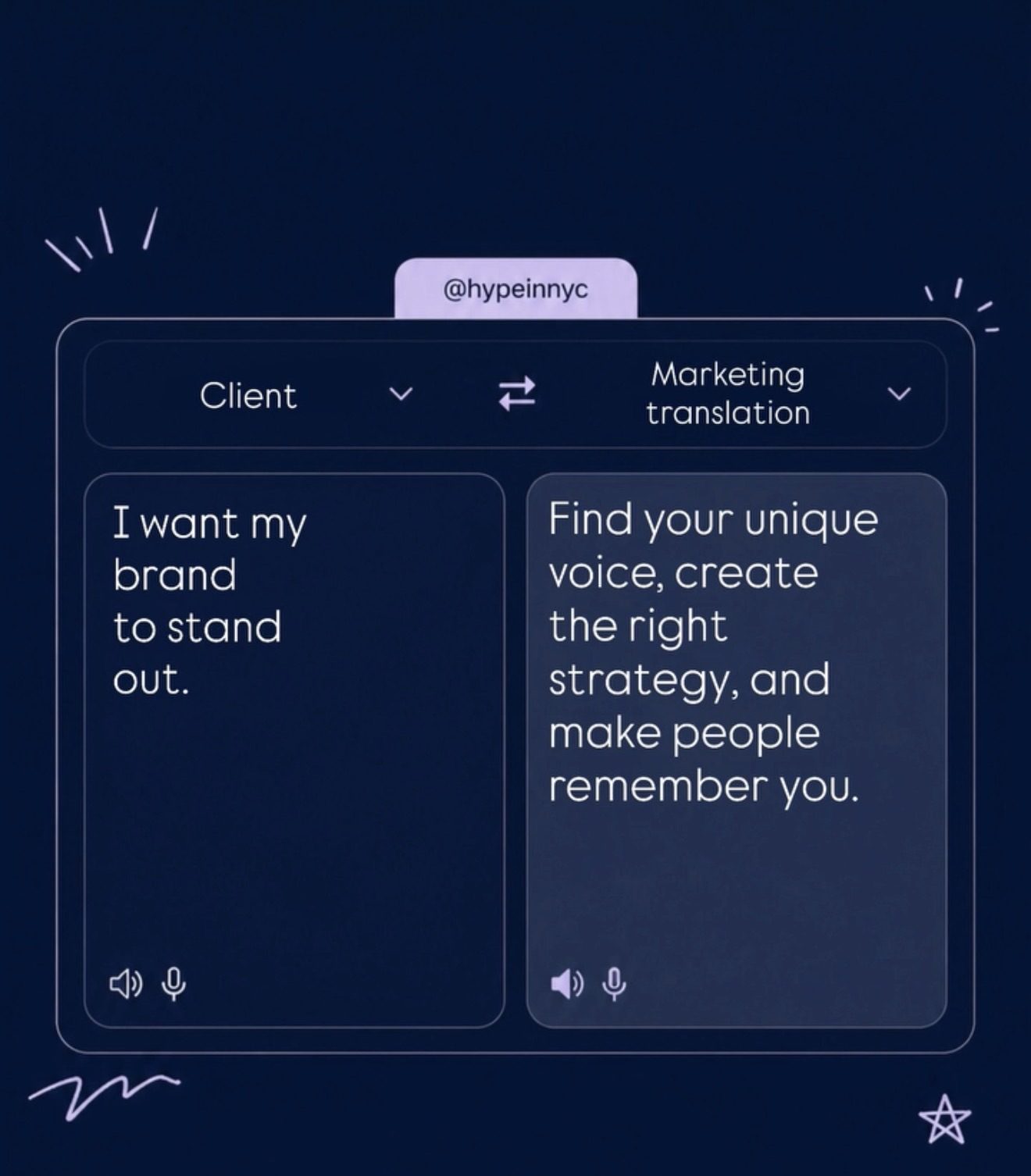
How to Optimize Your Business for AI Search
There's a quiet shift happening in how people find businesses, and most business owners haven't noticed it yet. Someone doesn't Google "best bakery near me" anymore — they ask an AI assistant, and the assistant just tells them one. No ten blue links. No scrolling. One answer, confidently delivered.
If your business isn't structured to be that answer, you're invisible to an entire, fast-growing slice of discovery — regardless of how well you rank on a traditional search results page.
Why This Isn't Just "SEO With a New Name"
Traditional SEO optimizes for a search engine that returns a list of options and lets a human decide. AI search optimization works differently: it optimizes for being the recommendation, not a result among ten.
That distinction changes almost everything about the strategy. An AI assistant isn't ranking your page — it's synthesizing an answer, pulling from whatever sources it trusts enough to summarize confidently. Getting cited in that synthesis requires a different kind of clarity than getting clicked on in a search results page.
Entity Clarity: Making Sure AI Actually Understands What You Are
Before an AI system can recommend a business, it has to correctly understand what that business is — not vaguely, but specifically.
This means:
Consistent business information across every platform where you appear (name, category, location, services)
Clear, unambiguous descriptions of what you actually do — not clever branding language that requires context to decode
Structured data markup that tells search systems explicitly what kind of entity they're looking at
Cleverness that requires interpretation is exactly the kind of ambiguity AI systems tend to route around. A business described plainly and consistently gets understood faster than one hiding behind polished but vague copy.
Proof Points: Give the AI a Reason to Trust You
An AI assistant recommending a business is making a small bet on its own credibility. It needs something to point to that justifies the recommendation.
What Counts as a Proof Point
Reviews and testimonials that are specific, not generic
Case studies with real, verifiable outcomes
Media mentions, certifications, or third-party validation
A visible, consistent track record rather than a single polished claim
The businesses that get recommended aren't necessarily the best ones — they're the ones that made trust easiest to verify. That's an uncomfortable truth, but it's an actionable one.
Structured Content: Answering Before Being Asked
AI systems favor content that's already organized the way an answer would be organized. That means:
Clear headers that map directly to likely questions
Direct, front-loaded answers rather than a paragraph of preamble before the point
Lists and structured data instead of dense blocks of unbroken text
Content that reads like a resource, not an advertisement
If a page makes an AI system work hard to extract the answer, that page gets skipped in favor of one that hands the answer over cleanly.
FAQs Aren't Optional Anymore
A well-built FAQ section does something subtle but powerful: it pre-answers the exact questions a customer might ask an AI assistant, in language close enough to conversational phrasing that the AI can lift it directly.
This isn't about stuffing keywords into a Q&A format. It's about anticipating real questions — "Do you serve gluten-free options?" "How much does a website redesign typically cost?" — and answering them clearly, in the business's own words, on the business's own site.
Internal Linking: Showing the Full Picture
AI systems build a fuller understanding of a business when its own site connects the dots — service pages linking to relevant case studies, a blog post linking back to the page it supports, a clear site architecture that mirrors how a person would actually explore the business.
A site with disconnected, orphaned pages gives an AI system a fragmented picture. A well-linked site gives it a complete one.
Where an Experienced Marketing Partner Changes the Equation
This is precisely where a lot of businesses get stuck — not because the individual steps are complicated, but because doing all of them consistently, across every platform and page, is a full-time discipline. It's the kind of work HYPE IN NYC builds directly into client strategy: aligning entity information across platforms, structuring content around real customer questions, and building the proof-point foundation that gives AI systems a reason to recommend a business with confidence. It's less about chasing a trend and more about treating AI discovery the way search discovery has always deserved to be treated — deliberately.
Getting Started Without Overhauling Everything at Once
AI search optimization doesn't require rebuilding a website overnight. It rewards steady, deliberate improvements:
Audit business information for consistency across platforms
Add or expand a genuinely useful FAQ section
Replace vague descriptions with plain, specific language
Strengthen internal linking between related pages
Collect and surface proof points that are easy to verify
Do this consistently, and a business stops competing for a spot on a results page — and starts being the answer itself.
Want a clear-eyed audit of where your business stands with AI search readiness? Get in touch and we'll show you exactly what's working, what's missing, and where to start.